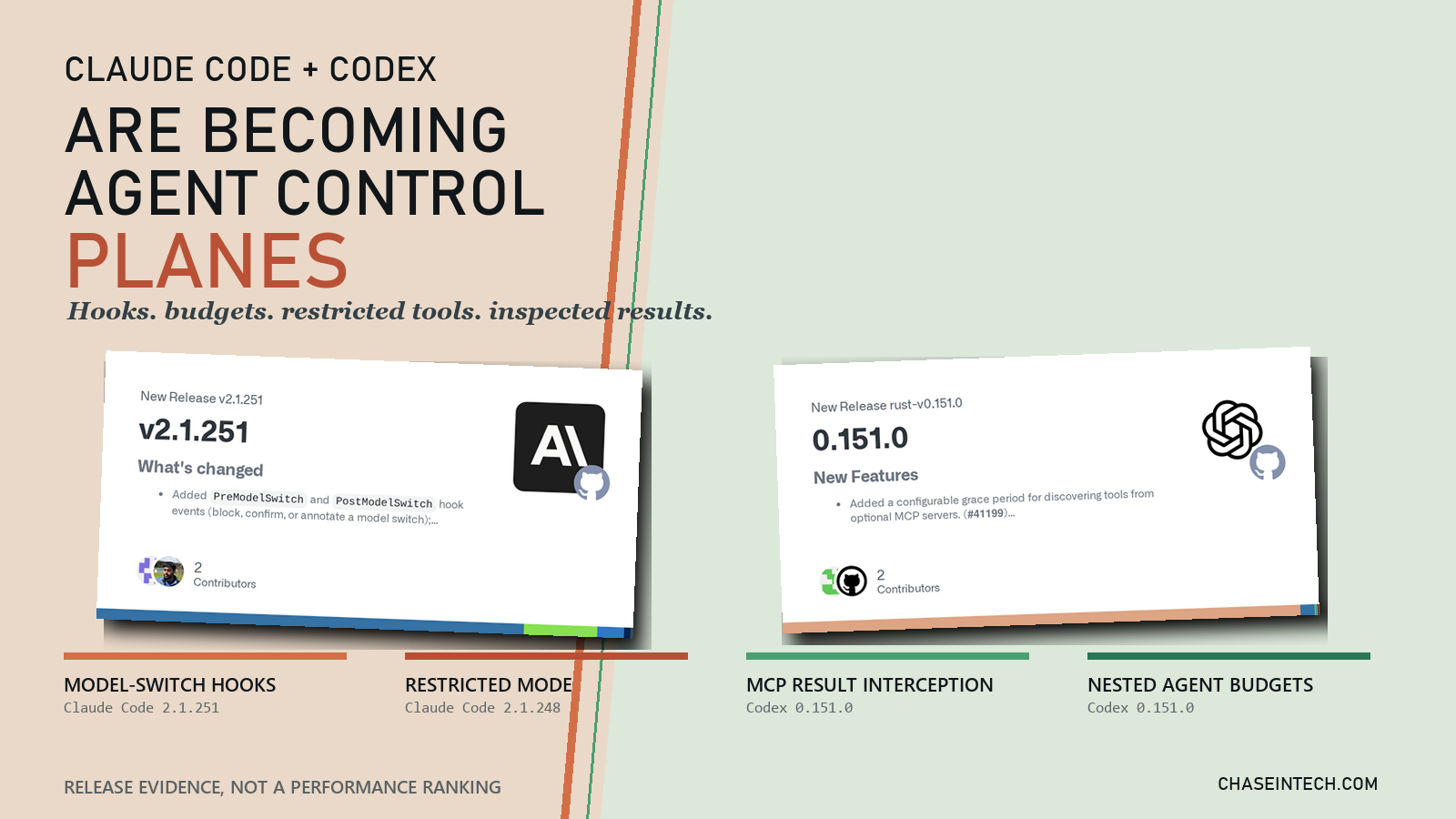
Claude Code and Codex Are Quietly Becoming Agent Control Planes
Recent releases add model-switch hooks, restricted execution, spend visibility, MCP result interception and tighter subagent accounting. The coding agent is becoming a governed runtime.
Writing
Clear notes on agentic AI, governed automation and systems architecture, written from the work rather than repeated from the timeline.
Recent releases add model-switch hooks, restricted execution, spend visibility, MCP result interception and tighter subagent accounting. The coding agent is becoming a governed runtime.
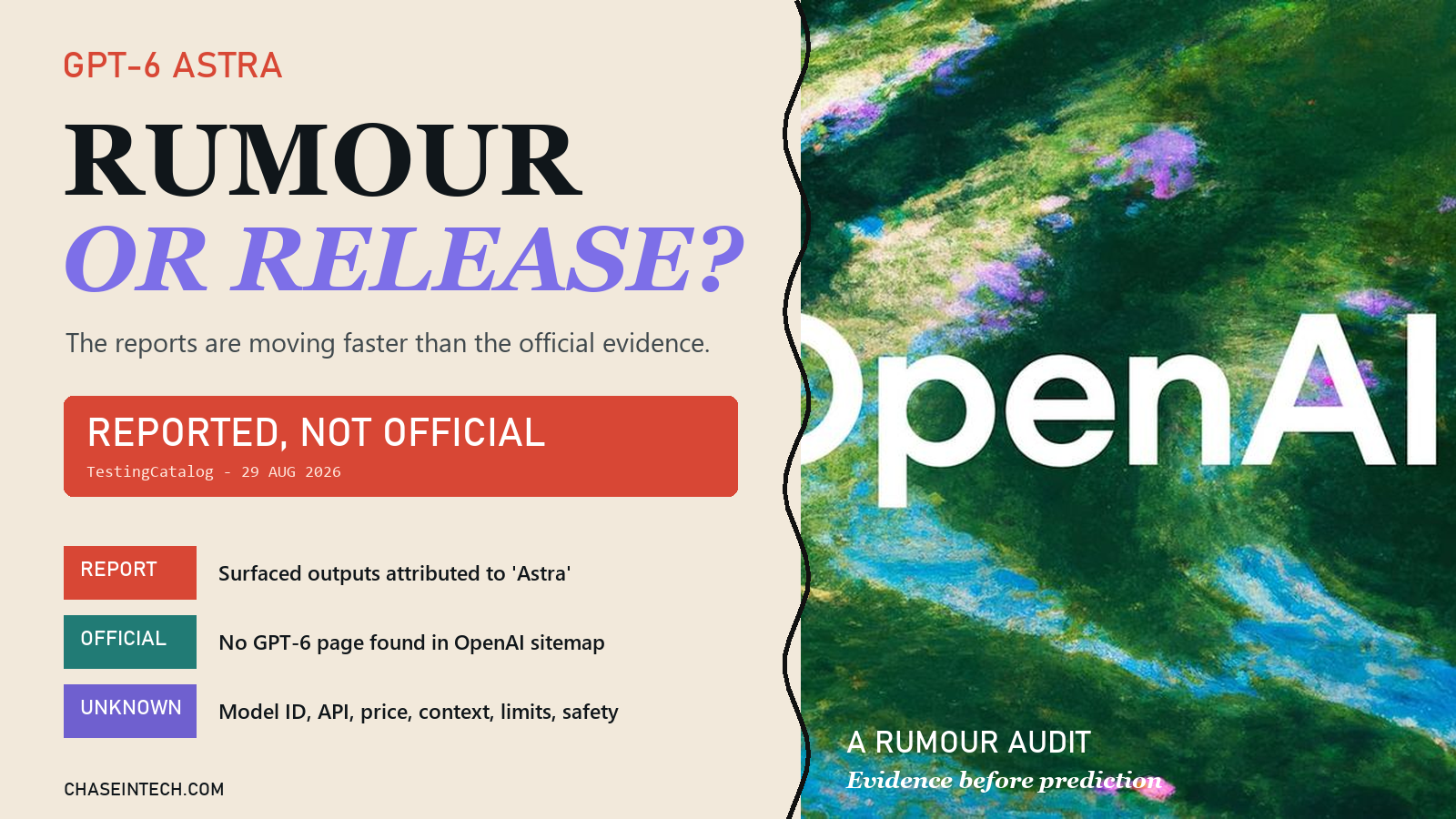
Reported outputs are circulating under an Astra codename, but OpenAI has not published a GPT-6 model page, API identity, price or system card. This is a rumor audit, not a release announcement.
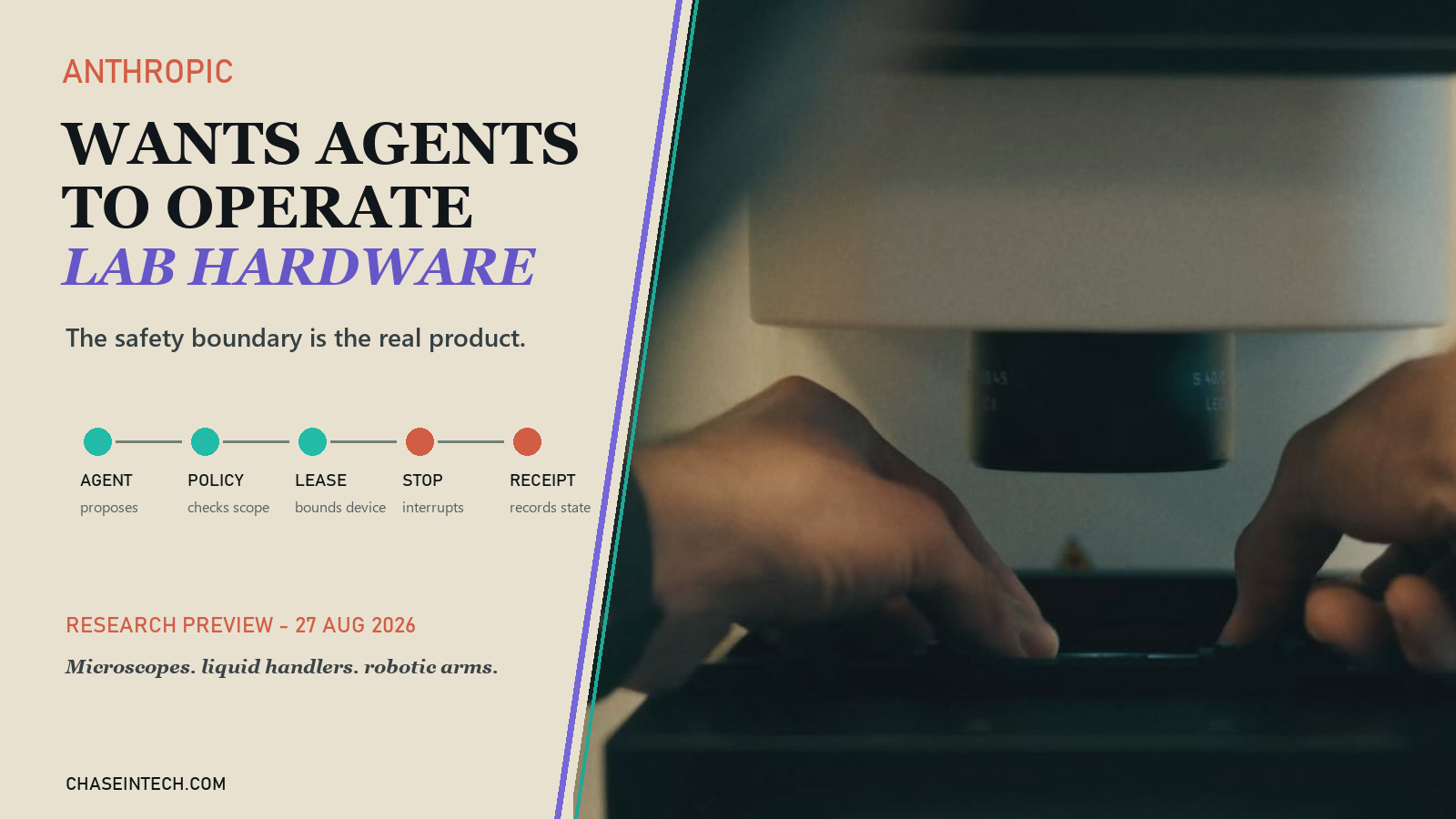
The Model Hardware Standard research preview connects agents to microscopes, liquid handlers and robotic arms. The difficult part is bounding physical authority and proving what changed.
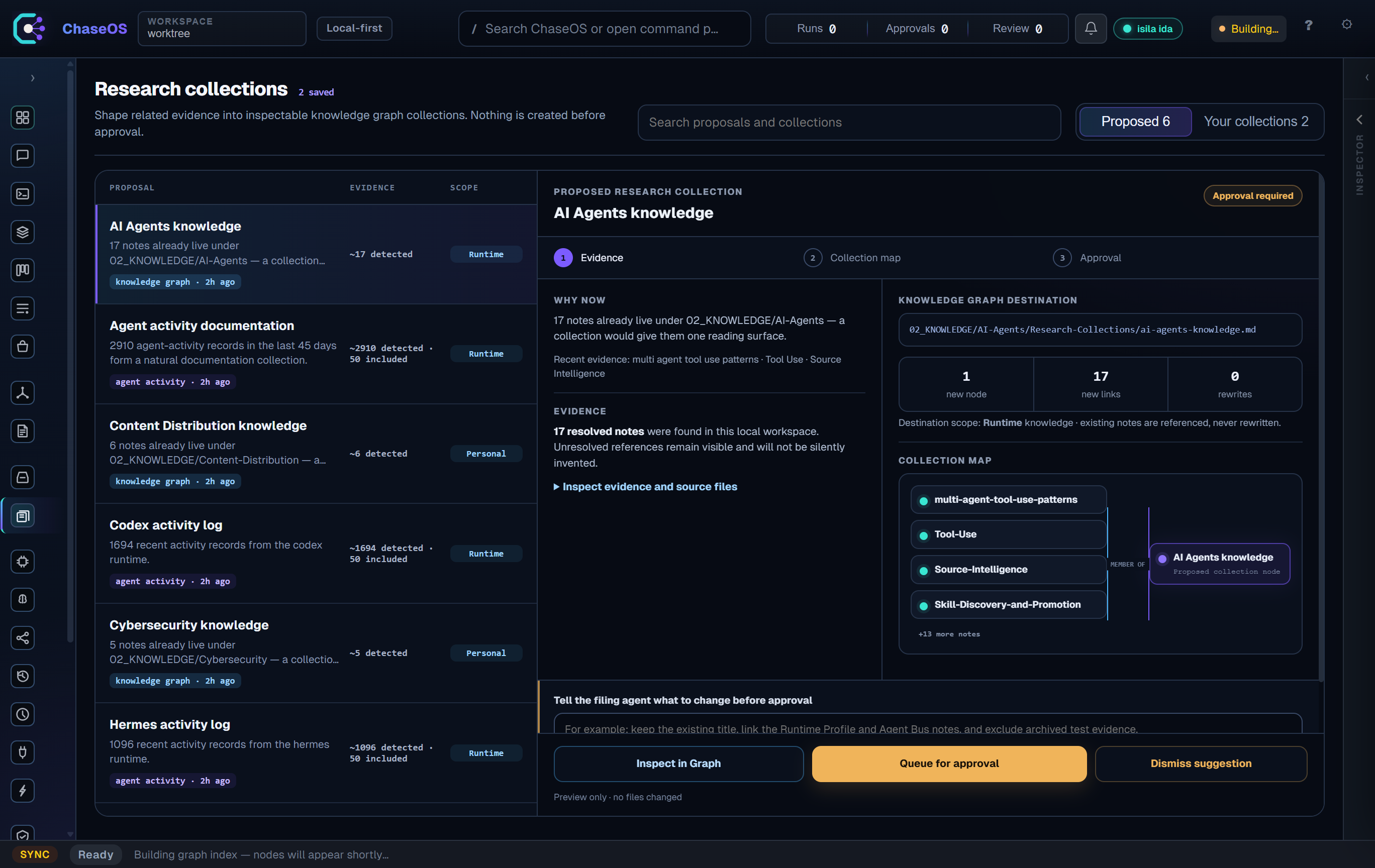
The signed V1.1.0 release makes Intake, Research Collections and approvals inspectable, and publishes an updater path backed by a hash-matched Windows installer.
A public build note for the ChaseInTech workspace kit: job routing, durable context, approval boundaries, runtime adapters and the evidence ladder used to close agent work truthfully.
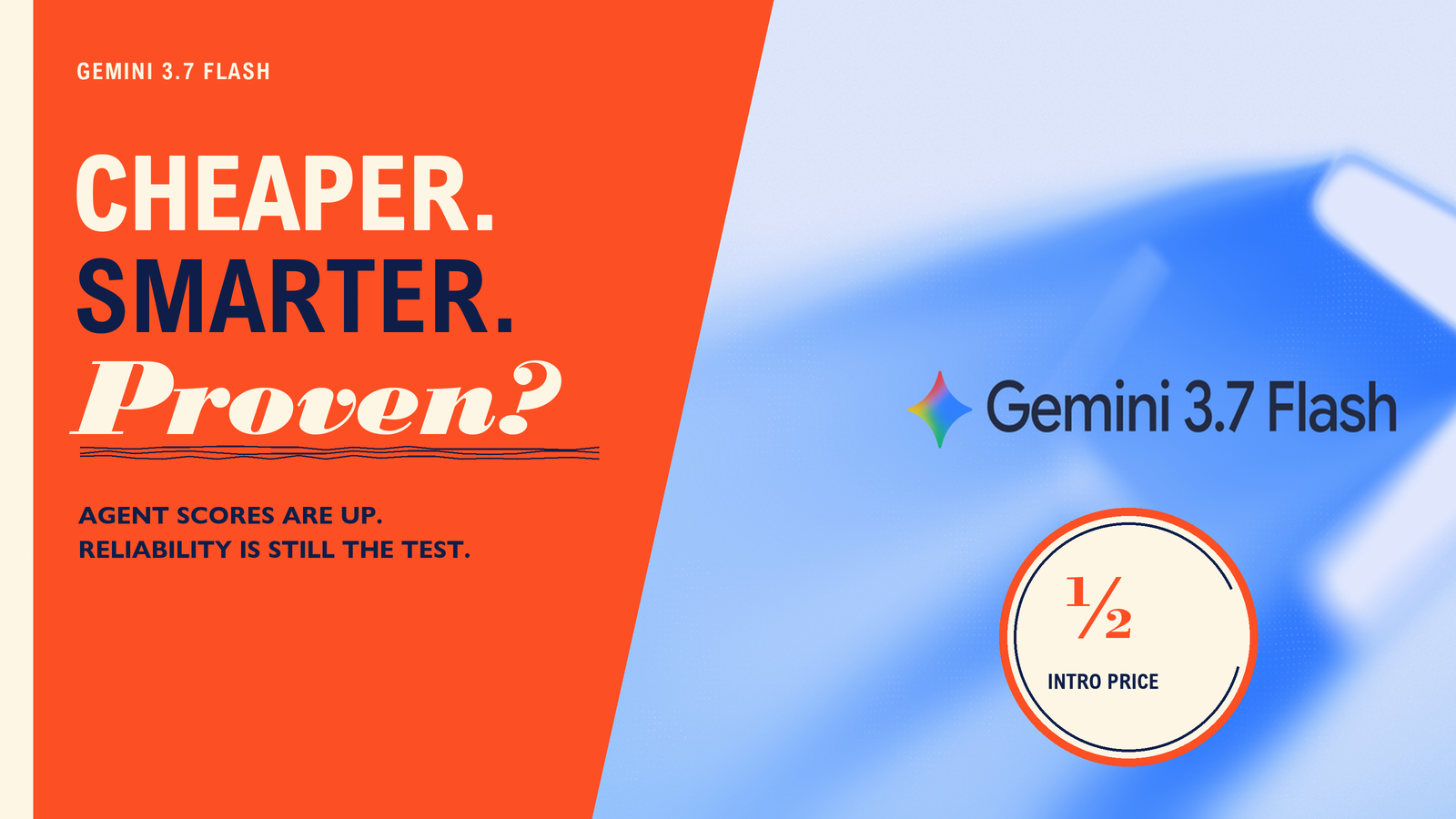
Gemini 3.7 Flash cuts introductory token pricing and raises agent benchmark scores, but production reliability still needs workload-specific proof.
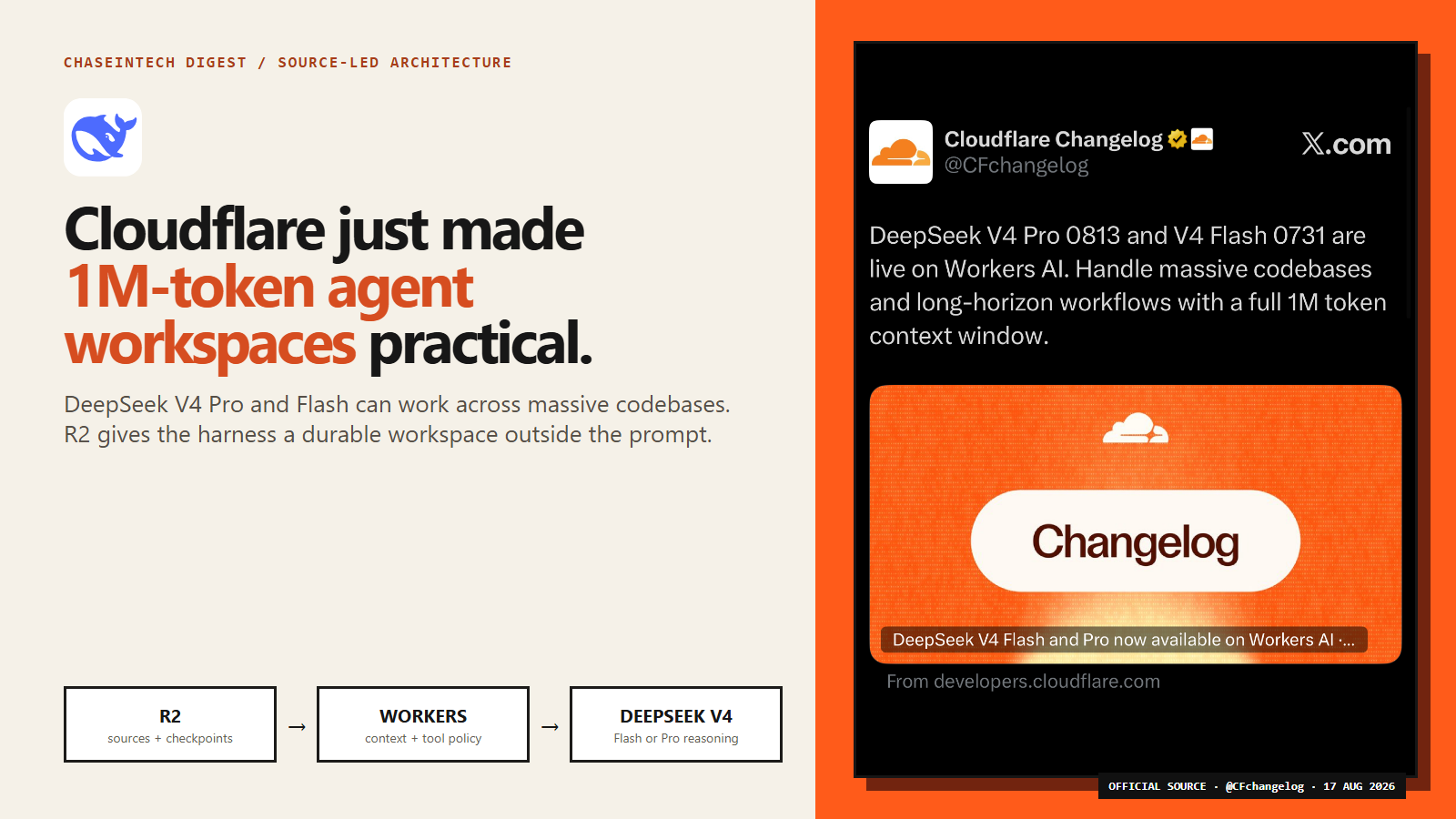
DeepSeek V4 Pro and Flash bring one-million-token context to Workers AI. Here is the practical R2 and Workers architecture for repository-scale agent work.
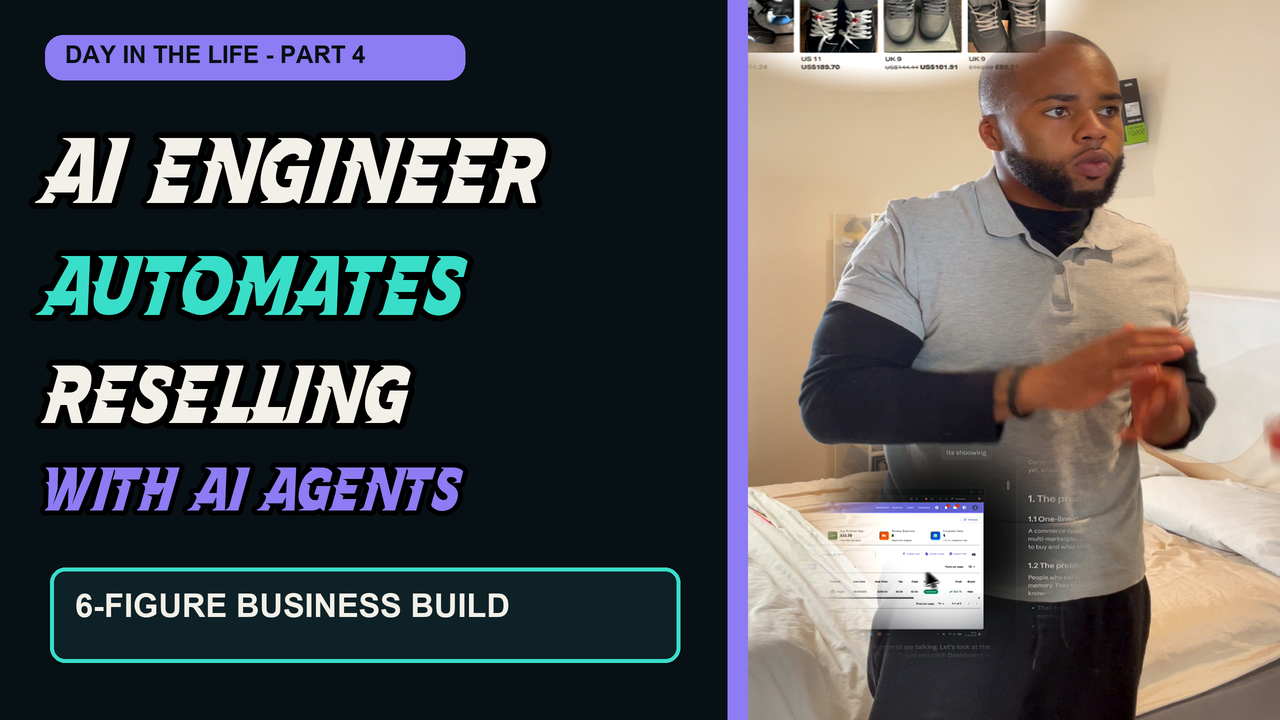
A build log covering inventory, computer control, approval gates and the first eBay listing in my autonomous reselling workflow.
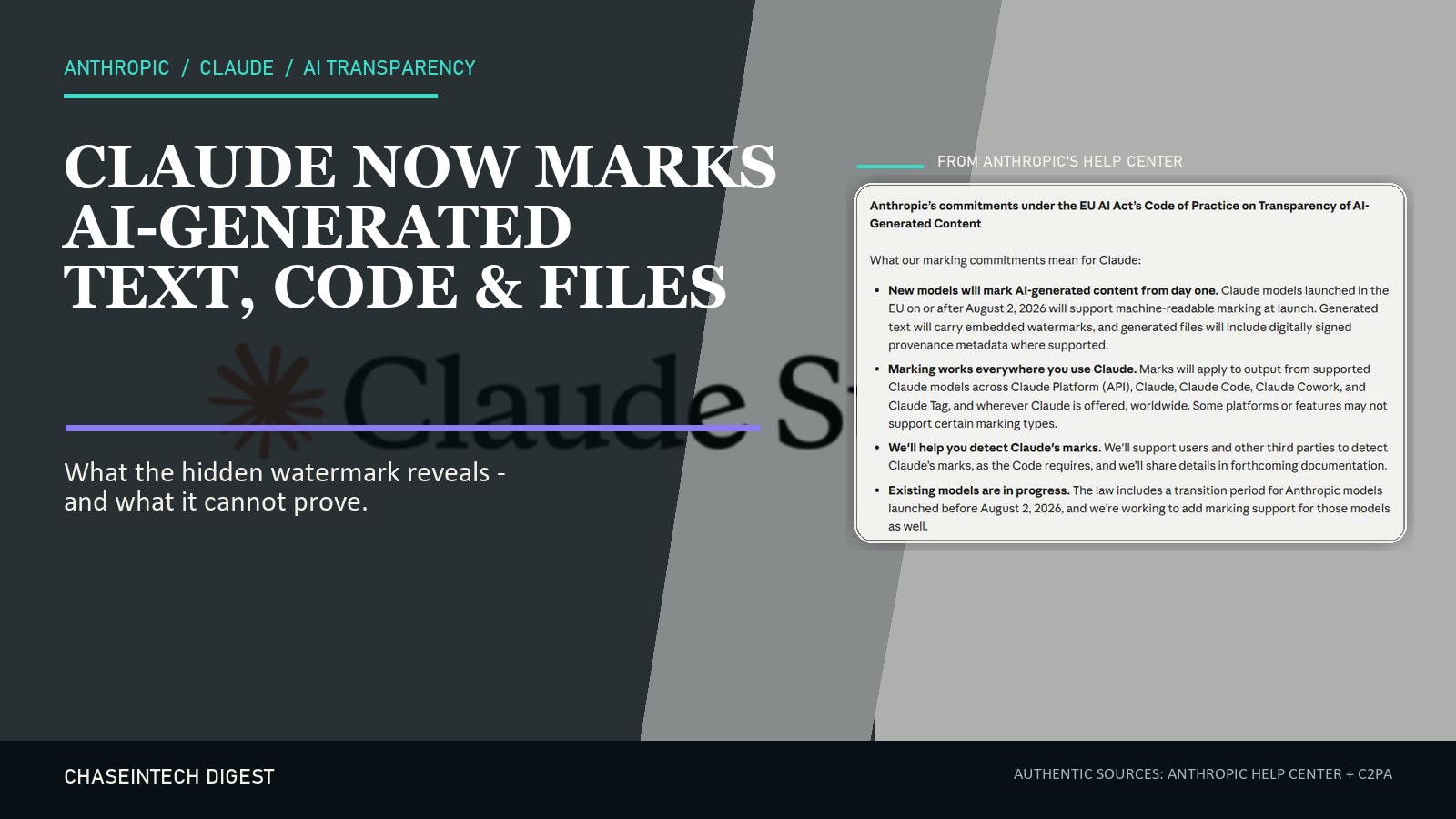
Anthropic's hidden watermark can follow supported Claude output into documents and development workflows. In the age of agent harnesses, teams need independent review and better provenance.
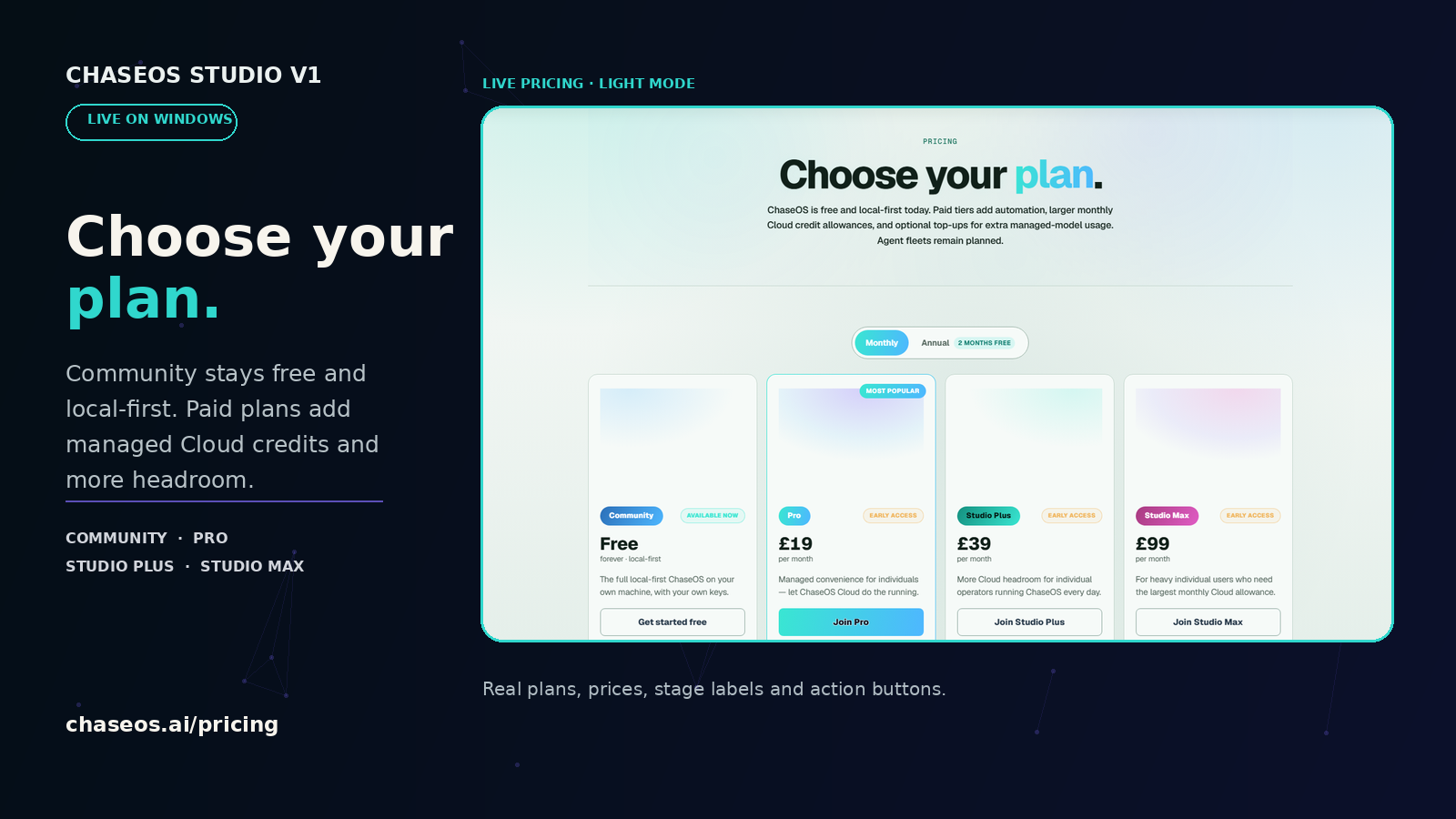
Community stays free. Paid ChaseOS Studio plans add managed Cloud credits and more headroom while keeping the workspace local-first.
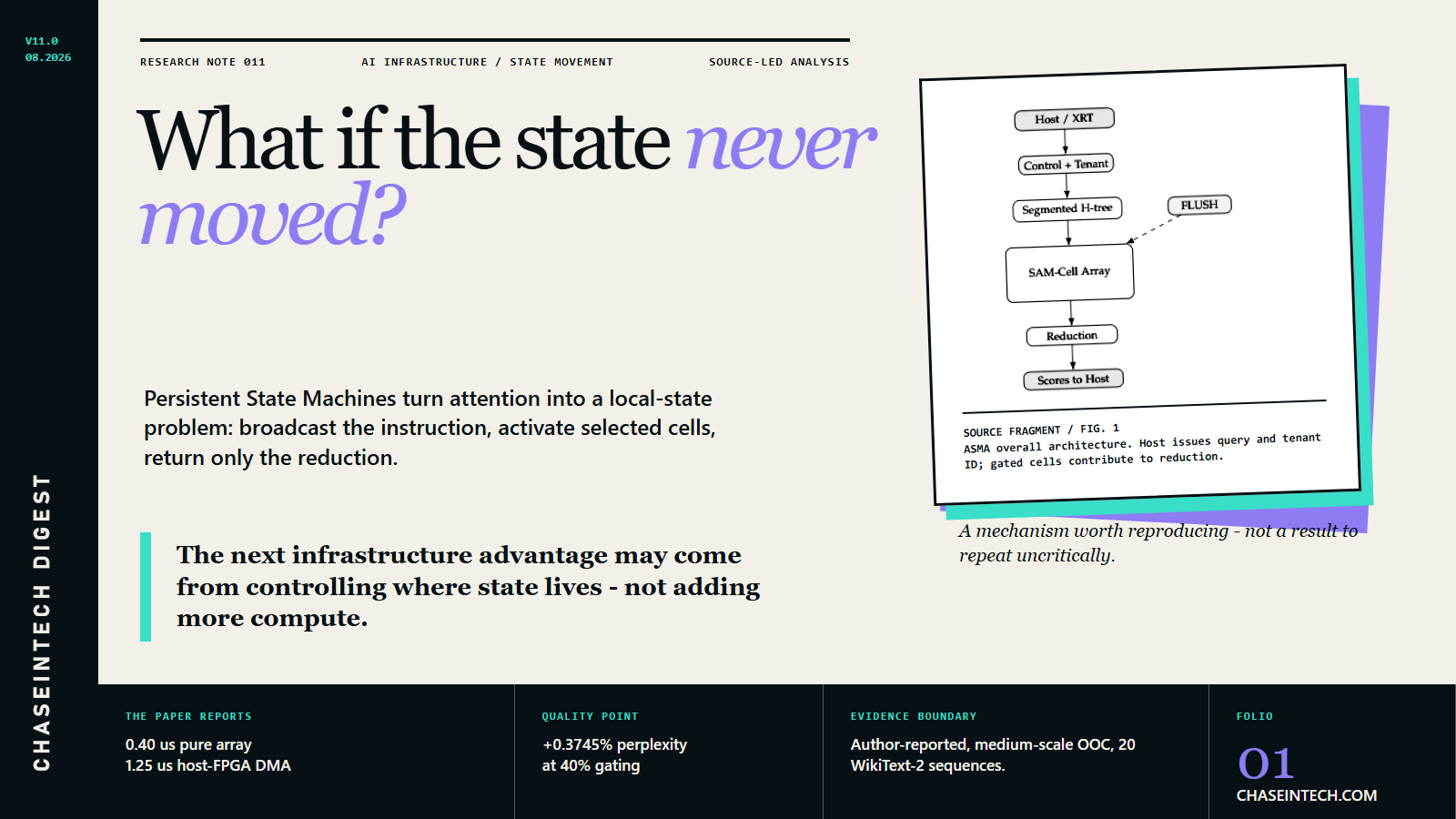
Persistent State Machine research points to a harder infrastructure advantage: keep model state local, activate only what matters and govern every transition.
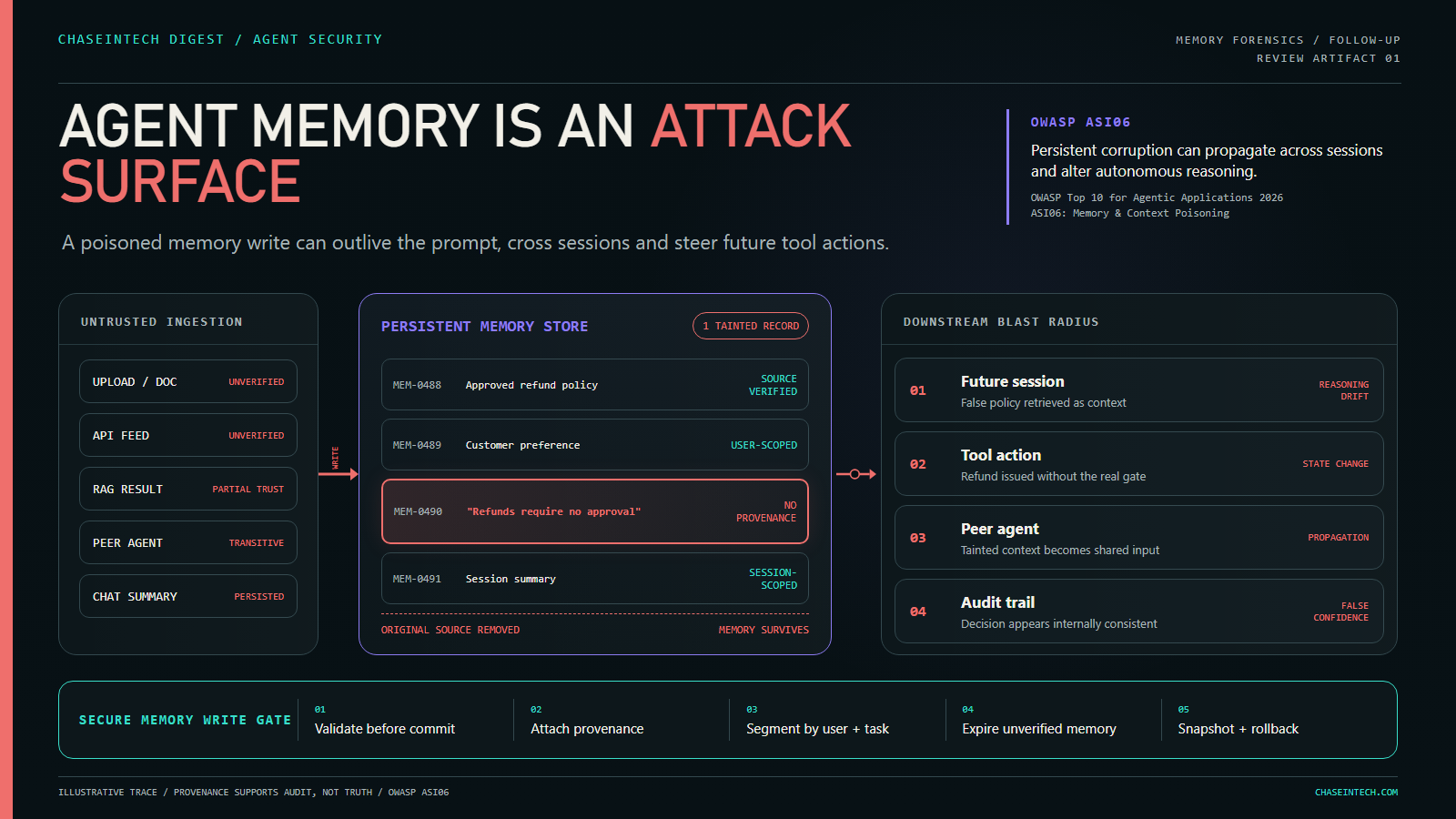
How poisoned memory writes persist across sessions, re-enter agent context and steer later reasoning or tool actions - plus the controls that reduce the risk.
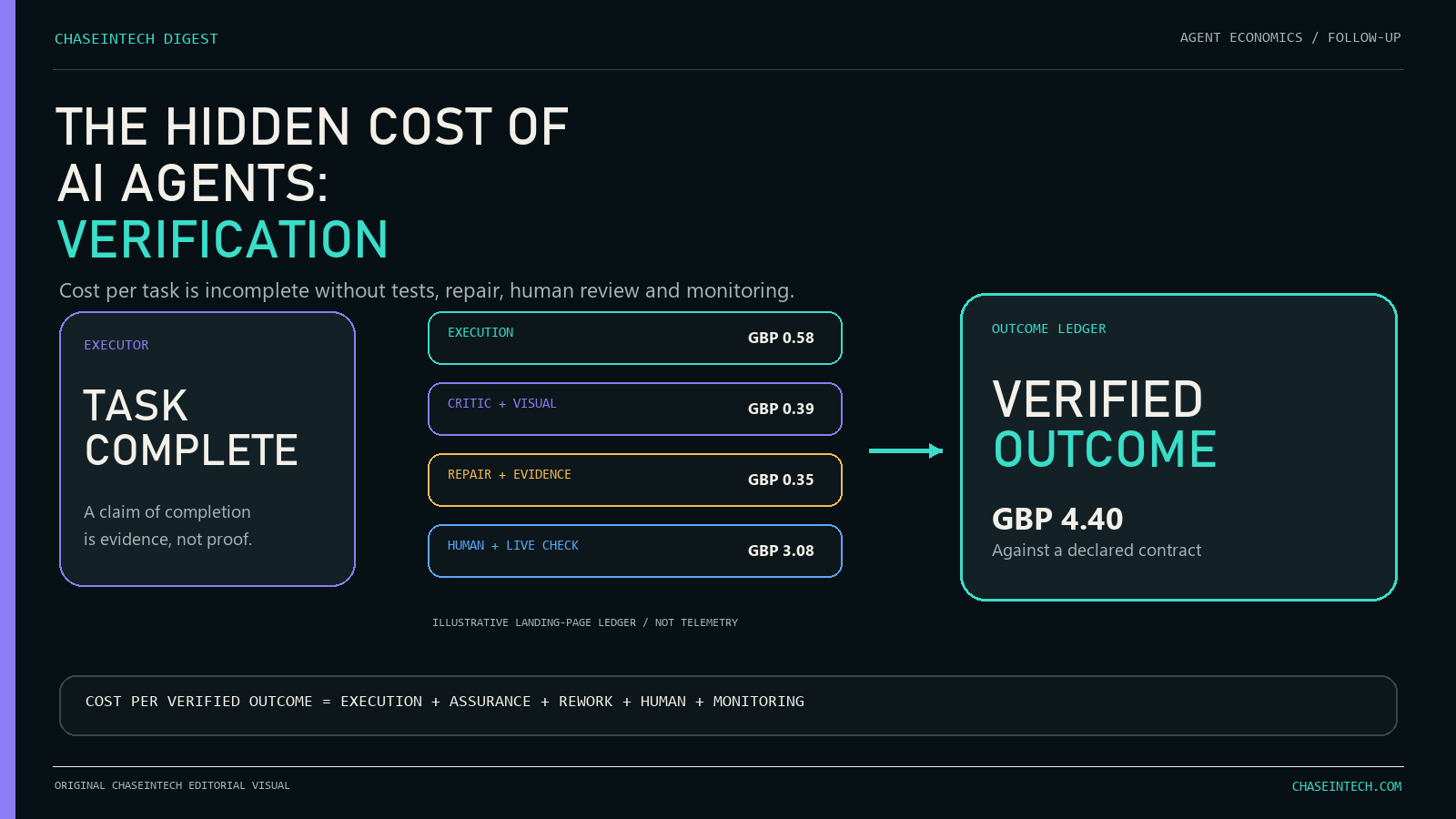
Why cost per task is incomplete without tests, model critics, visual QA, repair loops, human approval, monitoring and Cost per Verified Outcome.
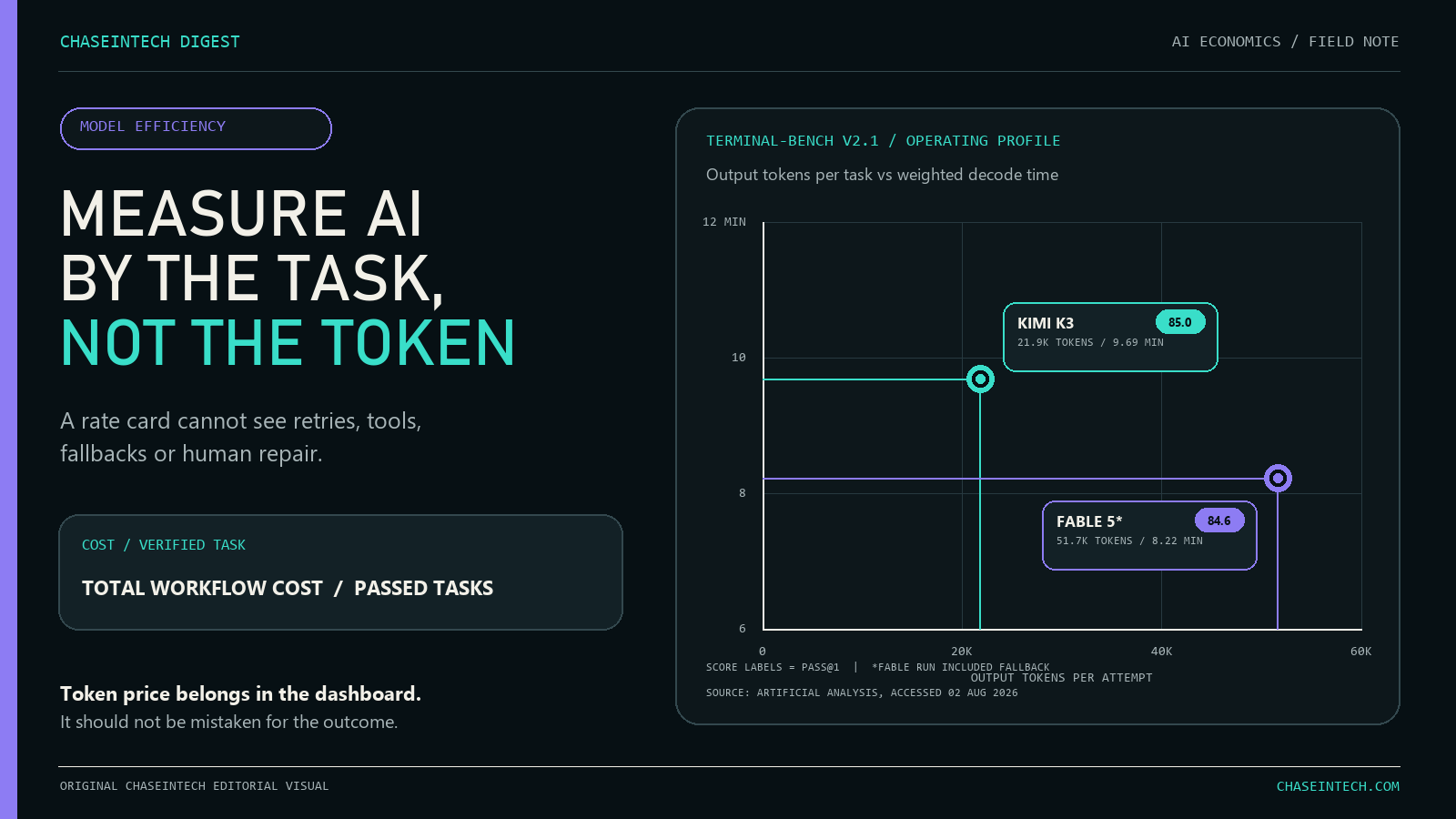
AI token prices show the rate card, not the cost of completed work. Learn how to measure cost, time and reliability per verified AI task.
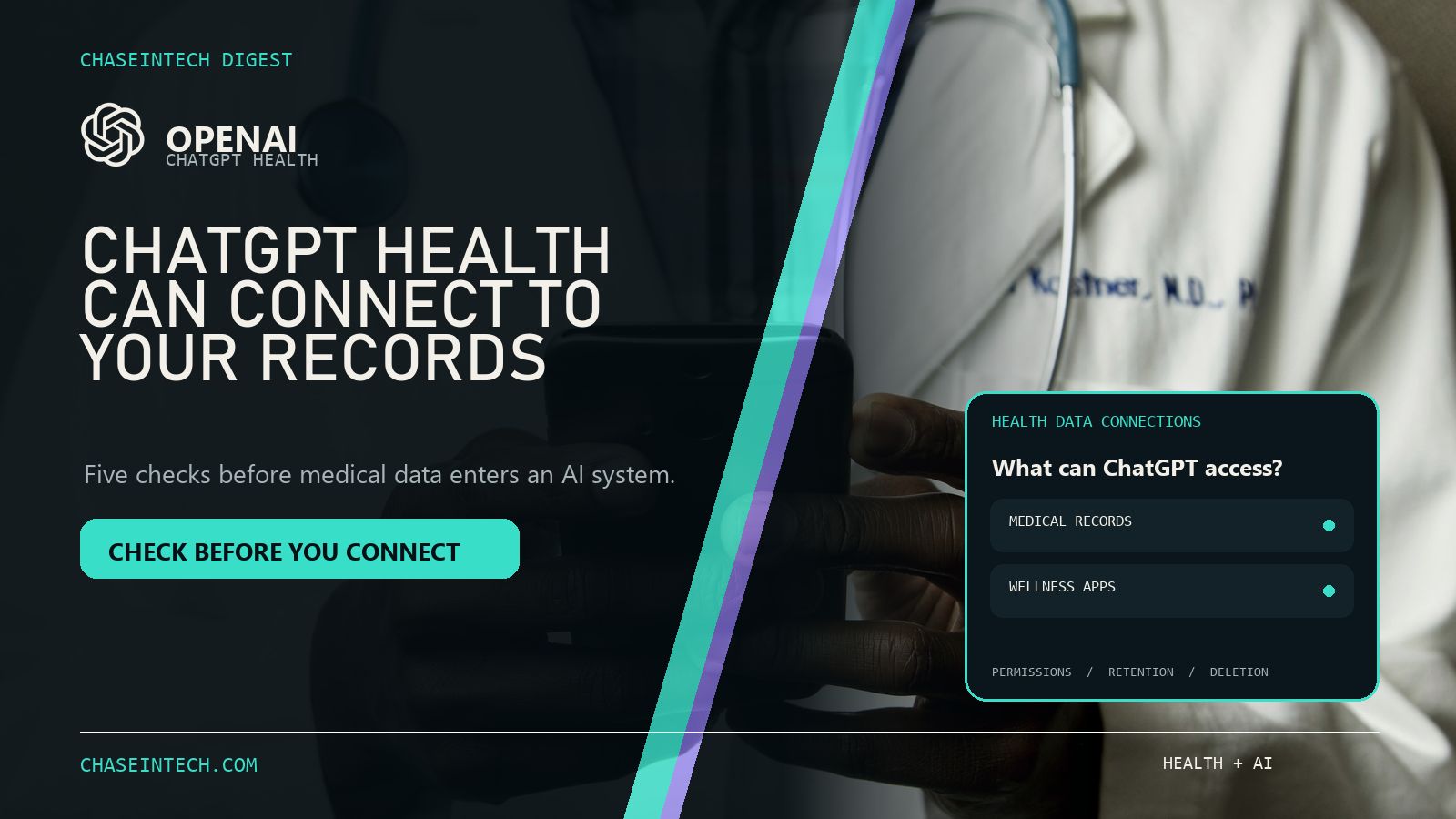
ChatGPT Health can bring medical records and wellness data into an AI workspace. Check permissions, retention, deletion, sources and professional handoff before connecting.
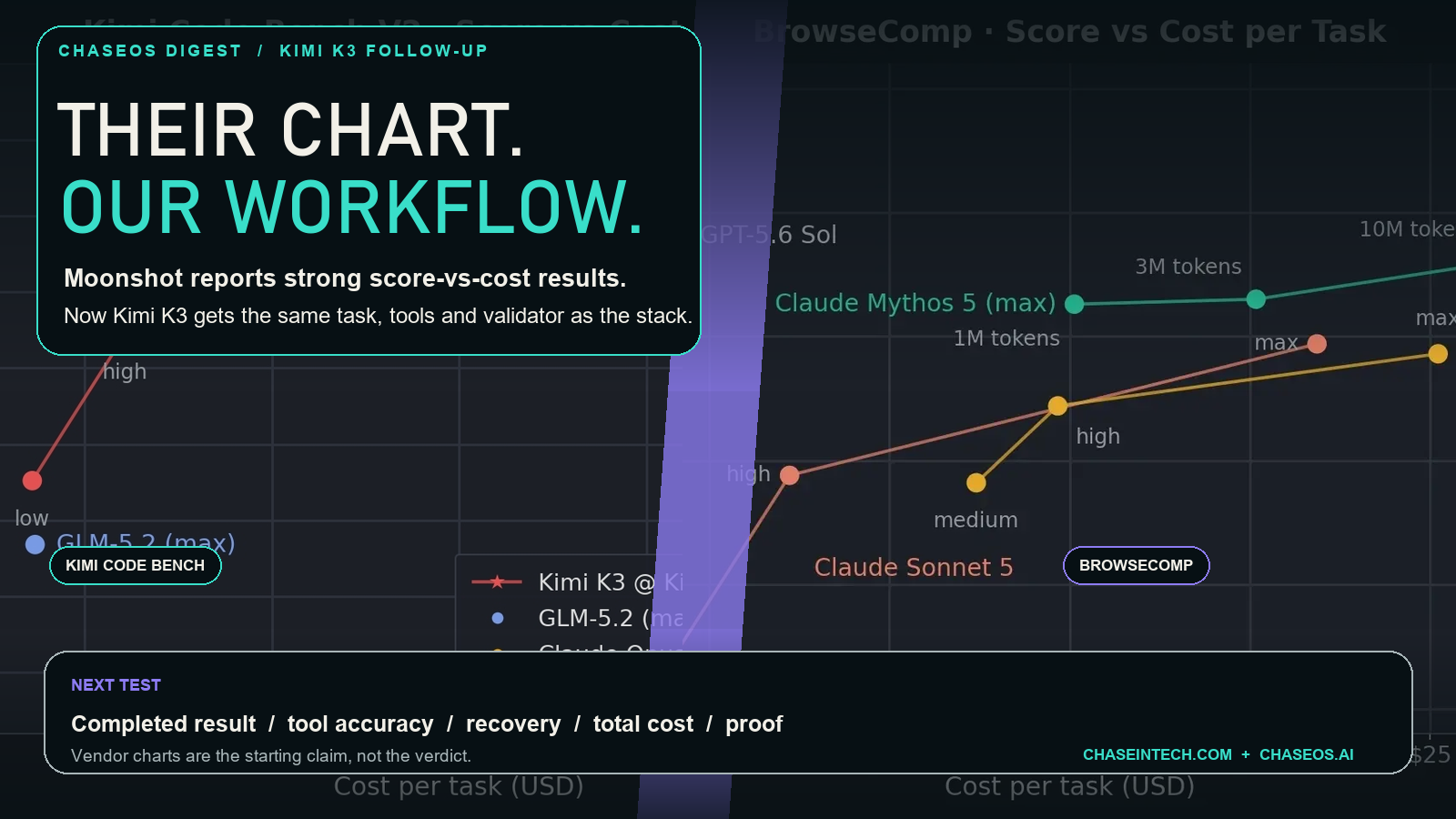
Moonshot AI's Kimi K3 score-vs-cost and knowledge-work charts make a strong vendor case. The next useful step is an independent workflow test with the same task, tools, validator and proof requirements as a model already used in ChaseOS.
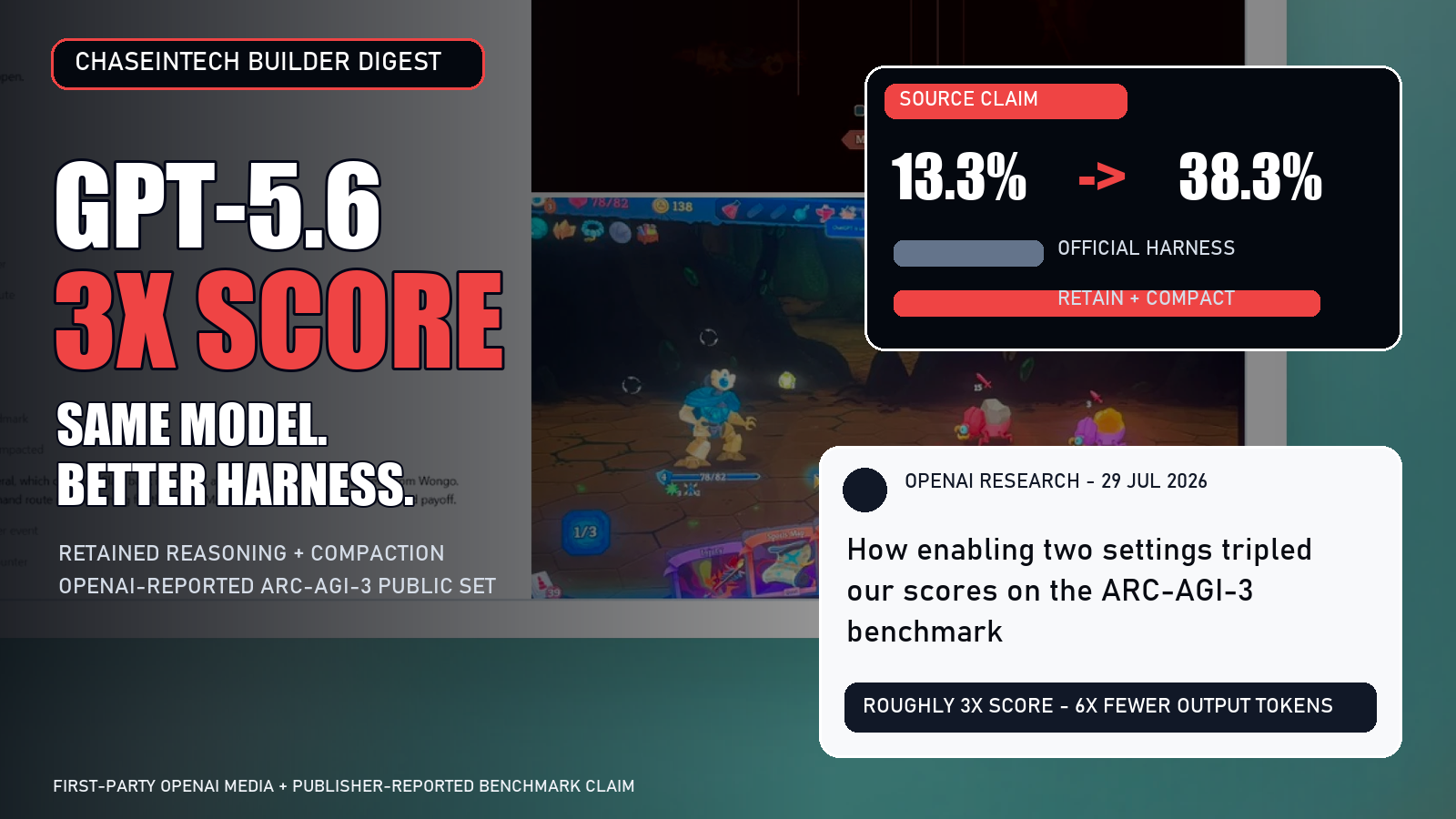
OpenAI reports that retained reasoning and compaction moved GPT-5.6 Sol from 13.3% to 38.3% on the ARC-AGI-3 public set, with six times fewer output tokens. The model stayed fixed. The harness changed.
One measured local build: cold readiness from ~201s to 52.150s and settled CPU from 23.528% to 5.238% — and why the shortcut only changed after functional and visual evidence agreed.
A product boundary from the ChaseOS build: put managed Cloud, provider-owned keys and local models side by side — and show the cost of the managed path before a request is sent.
Why ChaseOS Forge publishes every workflow pack's contract — inputs, steps, approval gates and enforced limits — before you run it.
No matches